Web Cache Poisoning – How Responses Get Corrupted
Web cache poisoning happens when an attacker tricks a CDN or reverse proxy into storing a harmful …
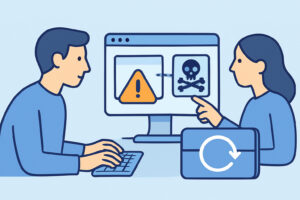
Web cache poisoning happens when an attacker tricks a CDN or reverse proxy into storing a harmful …
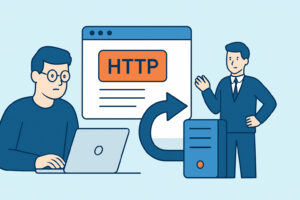
HTTP request smuggling shows up on almost every audit checklist for sites running behind a reverse proxy, …
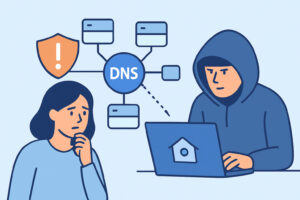
A router admin panel, a Jenkins instance, a Redis cache with no password – these are exactly …
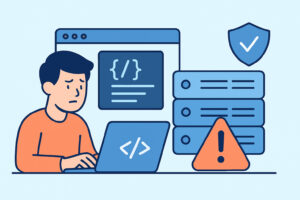
Server-Side Template Injection, or SSTI, is one of those vulnerability classes that gets far less attention than …

Insecure deserialization vulnerabilities pose a significant threat to web applications that process serialized data without proper validation.

Tab-nabbing represents a sophisticated phishing technique that exploits user trust through browser tab manipulation, allowing attackers to …

Subdomain takeover represents one of the most overlooked yet dangerous vulnerabilities in modern web application security.