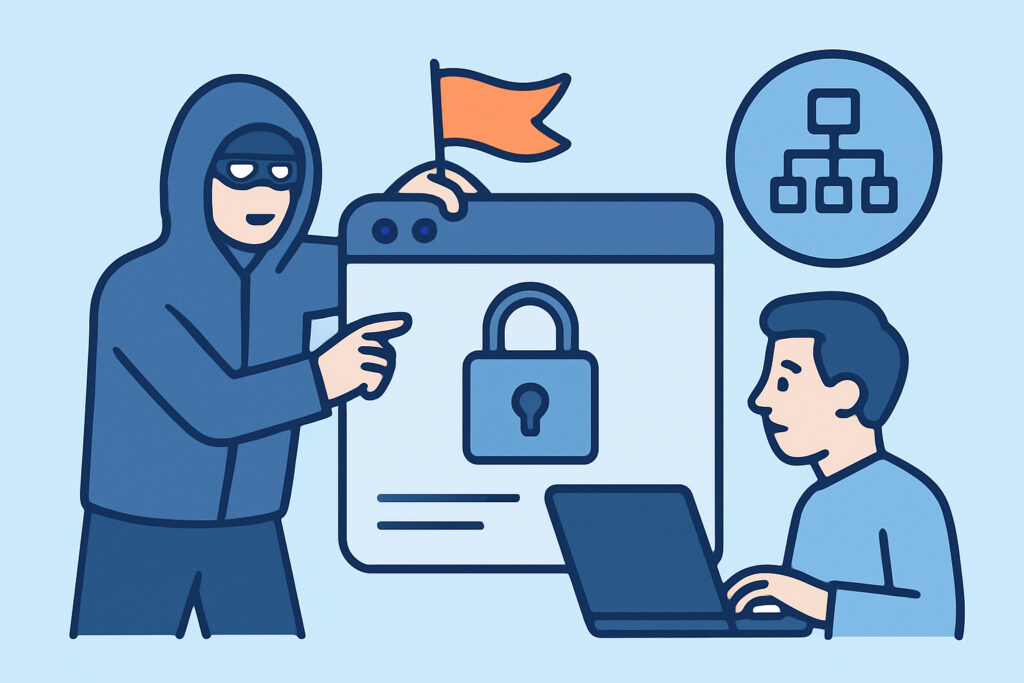
Subdomain takeover represents one of the most overlooked yet dangerous vulnerabilities in modern web application security. This attack occurs when an organization fails to maintain proper control over DNS records pointing to external services, allowing attackers to claim ownership of those subdomains and potentially access sensitive data or deceive users.
Understanding subdomain takeover requires recognizing how DNS records and third-party services interact. When organizations set up subdomains like blog.company.com or support.company.com to point to external platforms like GitHub Pages, Heroku, or AWS services, they create dependencies that must be carefully managed throughout the service lifecycle.
How Subdomain Takeover Attacks Work
The attack vector follows a predictable pattern. Organizations create DNS records pointing subdomains to external services. Over time, they abandon these services – perhaps migrating from one platform to another or discontinuing a project entirely. However, the DNS records remain active, creating what security professionals call “dangling DNS records.”
Attackers systematically scan for these abandoned subdomains using automated tools. They attempt to register the same service names or claim the abandoned resources on platforms like GitHub Pages, Heroku, or cloud storage services. Once successful, the attacker controls content served from the legitimate subdomain.
Consider a scenario where a company sets up docs.example.com pointing to a GitHub Pages repository. The development team later moves documentation to a different platform but forgets to remove the DNS record. An attacker can create a GitHub repository with the same name and serve malicious content from docs.example.com – a domain users trust completely.
Common Vulnerable Services and Platforms
GitHub Pages represents the most frequently exploited platform for subdomain takeovers. When repositories get deleted or renamed, the corresponding GitHub Pages sites become available for anyone to claim by creating a repository with the same name.
Cloud storage services like Amazon S3 buckets present another common attack vector. Organizations often point subdomains to S3 buckets for hosting static content. When they delete the bucket but leave DNS records intact, attackers can create new buckets with identical names.
Heroku applications face similar risks when apps get deleted or accounts become inactive. The same applies to services like Shopify, Zendesk subdomains, and various CDN providers. Each platform has specific claiming mechanisms that attackers understand and exploit.
Content delivery networks deserve special attention because subdomain takeovers here can affect multiple pages or entire sections of websites. When organizations change CDN providers without proper DNS cleanup, they create opportunities for widespread content manipulation.
Detecting Subdomain Takeover Vulnerabilities
Manual detection starts with inventory management. Organizations must maintain comprehensive records of all subdomains and their corresponding services. Regular audits should verify that every DNS record points to active, controlled resources.
Automated scanning proves more efficient for ongoing monitoring. Modern security scanners can identify dangling DNS records by checking subdomain responses against known vulnerable service patterns. These tools recognize error messages and response codes that indicate abandoned services.
DNS enumeration tools help discover forgotten subdomains that might not appear in standard inventories. Certificate transparency logs provide another valuable source for identifying subdomains that organizations might have overlooked.
Testing involves attempting to claim resources on various platforms. Security teams should verify that they cannot register services using names that their DNS records reference. If such registration succeeds, immediate remediation becomes necessary.
Prevention Strategies and Best Practices
DNS record lifecycle management forms the foundation of subdomain takeover prevention. Every DNS record should have an owner responsible for its maintenance. When services get discontinued, the corresponding DNS records must be removed simultaneously.
Implementing DNS monitoring alerts helps catch changes before they become vulnerabilities. Organizations should receive notifications when DNS records point to non-existent or uncontrolled resources.
Subdomain validation becomes crucial during service migrations. Teams should verify that new services are properly configured and accessible before removing old ones. This prevents gaps where subdomains might become claimable by attackers.
Regular subdomain audits should become part of standard security practices. These audits should verify that all subdomains serve expected content and remain under organizational control.
Response and Remediation Procedures
Immediate response to confirmed subdomain takeovers requires multiple parallel actions. First, remove or modify the DNS record to stop pointing to the compromised service. This prevents further abuse but might break legitimate functionality temporarily.
Document the scope of potential impact. Determine what content the attacker could have served and for how long. Check logs for suspicious activity and assess whether sensitive data might have been compromised.
Contact the platform provider to report the takeover and request removal of the malicious content. Most reputable services cooperate with legitimate takeover reports, especially when organizations can prove ownership of the affected domains.
Consider whether user notification becomes necessary. If attackers served malicious content that users might have accessed, transparency about the incident helps maintain trust and allows users to take protective measures.
Advanced Detection and Monitoring
Continuous monitoring solutions provide the most effective protection against subdomain takeovers. These systems regularly check all subdomains for signs of compromise or abandonment.
Integration with certificate monitoring helps identify when SSL certificates change unexpectedly, which might indicate subdomain takeover attempts. Legitimate certificate changes should align with planned infrastructure modifications.
Threat intelligence feeds can provide early warning when attackers target specific platforms or services for subdomain takeover campaigns. This information helps prioritize monitoring for high-risk services.
Myth: HTTPS prevents subdomain takeover attacks. Many organizations believe that SSL/TLS encryption protects against subdomain takeovers. However, attackers can obtain valid certificates for claimed subdomains through automated certificate authorities, making their malicious content appear completely legitimate to users.
Frequently Asked Questions
Can subdomain takeovers happen with any DNS record type?
While CNAME records pointing to external services represent the most common vector, A records pointing to deallocated IP addresses can also be vulnerable. However, claiming specific IP addresses proves more difficult than registering services on platforms like GitHub Pages.
How quickly should organizations respond to suspected subdomain takeovers?
Response should begin within hours of detection. DNS changes typically propagate within 24-48 hours, but cached records might persist longer. Immediate action minimizes the window for attackers to exploit the compromised subdomain.
Do wildcard DNS records increase subdomain takeover risks?
Wildcard records can mask subdomain takeover attempts by providing fallback responses. However, they don’t directly increase vulnerability. The risk comes from specific subdomains with explicit records pointing to external services that become abandoned.
Subdomain takeover prevention requires treating DNS records as critical infrastructure components that need active management throughout their lifecycle. Regular audits, automated monitoring, and prompt response to service changes create the foundation for protecting against these often-overlooked attacks that can severely damage organizational reputation and user trust.