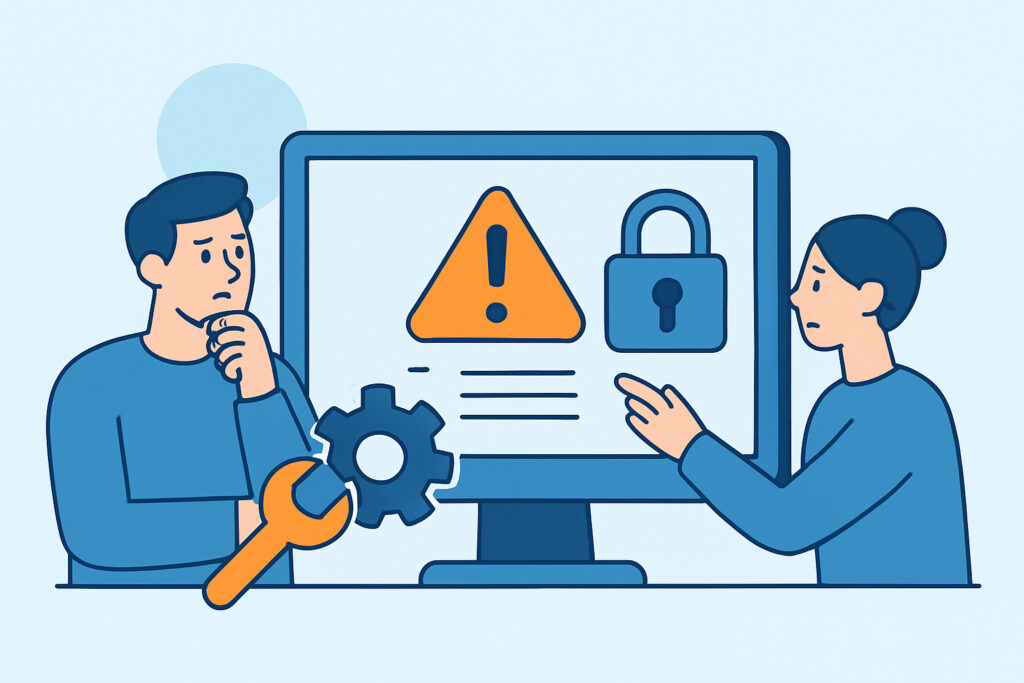
Security misconfigurations represent one of the most critical yet preventable vulnerabilities in web applications today. These OWASP Top 10 security misconfigurations occur when developers and system administrators fail to properly configure security settings, leaving applications exposed to various attack vectors. Understanding what constitutes a security misconfiguration and how to prevent it is essential for maintaining robust web application security.
Security misconfigurations encompass a broad range of issues, from default passwords and unnecessary services to improper error handling and missing security headers. Unlike complex vulnerabilities that require sophisticated exploitation techniques, misconfigurations often provide attackers with straightforward paths to compromise systems. The widespread nature of these vulnerabilities makes them particularly dangerous – they’re found across all types of applications, from small business websites to enterprise systems.
Understanding Security Misconfigurations in Detail
Security misconfigurations occur when security settings are not defined, implemented, or maintained properly. This category covers various scenarios where the security posture of an application or server is weakened due to human error, lack of knowledge, or insufficient security processes.
Common examples include leaving default accounts enabled with unchanged passwords, exposing administrative interfaces to the internet, or failing to disable debugging features in production environments. These issues often stem from the complexity of modern web applications, which involve multiple layers – web servers, application servers, databases, frameworks, and cloud services – each requiring proper security configuration.
A typical scenario involves a development team deploying a web application with default configurations intact. The database server might have default credentials, the web server could be running unnecessary services, and error messages might reveal sensitive system information. Each of these represents a potential entry point for attackers.
Most Common Types of Security Misconfigurations
Default Credentials and Accounts: Many systems ship with default usernames and passwords for administrative access. Leaving these unchanged provides attackers with known credentials to access systems. This includes default database passwords, administrative panels, and service accounts.
Unnecessary Features and Services: Running unneeded services increases the attack surface. Examples include leaving sample applications installed, enabling unnecessary HTTP methods, or running development tools in production environments.
Improper Error Handling: Detailed error messages can reveal sensitive information about the system architecture, file paths, database schemas, or internal application logic. Stack traces shown to users often contain valuable reconnaissance information for attackers.
Missing Security Headers: HTTP security headers like Content Security Policy, X-Frame-Options, and Strict-Transport-Security provide important protection mechanisms. Their absence leaves applications vulnerable to various client-side attacks.
Insecure Cloud Storage: Cloud storage buckets configured with overly permissive access controls can expose sensitive data. This includes publicly readable S3 buckets or database instances accessible from the internet.
Outdated Software Components: Running outdated versions of servers, frameworks, or libraries with known vulnerabilities represents a significant risk, especially when security patches are available but not applied.
Real-World Impact and Attack Scenarios
Security misconfigurations can lead to complete system compromise. Consider a web application where the administrative interface is accessible without proper authentication controls. An attacker discovering this interface could gain full control over the application and its data.
Directory listing enabled on a web server might expose backup files, configuration files, or other sensitive documents. Attackers routinely scan for these exposed directories, looking for files containing database credentials, API keys, or other valuable information.
CORS misconfiguration represents another critical area where improper settings can allow malicious websites to make unauthorized requests on behalf of users, potentially accessing sensitive data or performing unauthorized actions.
Database servers exposed to the internet with weak authentication have been responsible for numerous data breaches. Attackers use automated tools to scan for these misconfigurations, making discovery and exploitation highly efficient.
Detection and Prevention Strategies
Regular Security Scanning: Implement automated security scanning to identify misconfigurations before they can be exploited. Automated security scans can detect common misconfigurations like missing security headers, exposed administrative interfaces, and default configurations.
Configuration Management: Establish secure baseline configurations for all system components. Use configuration management tools to ensure consistency across environments and prevent configuration drift over time.
Security Hardening Guides: Follow established security hardening guides for your specific technologies. Organizations like CIS (Center for Internet Security) provide detailed benchmarks for securing various systems and applications.
Regular Security Audits: Conduct periodic reviews of system configurations, focusing on changes made since the last audit. This includes reviewing user accounts, service configurations, and access controls.
Principle of Least Privilege: Configure systems with minimal necessary permissions and features. Disable unused services, remove default accounts, and restrict access based on actual requirements.
Common Misconceptions About Security Misconfigurations
One widespread misconception is that security misconfigurations only affect older or poorly maintained systems. In reality, even newly deployed applications can suffer from misconfigurations if proper security practices aren’t followed during development and deployment.
Another common myth suggests that using cloud services automatically provides security. While cloud providers offer robust security features, the responsibility for proper configuration often lies with the customer. Misconfigured cloud resources have been responsible for some of the largest data breaches in recent years.
Many organizations also believe that security misconfigurations are always obvious and easy to spot. However, some misconfigurations can be subtle, such as overly permissive CORS policies or inadequate session management settings that appear functional but create security vulnerabilities.
Best Practices for Preventing Security Misconfigurations
Implement infrastructure as code practices to ensure consistent and secure configurations across all environments. This approach makes configurations auditable and repeatable, reducing the likelihood of human error.
Establish a security review process for configuration changes. This should include peer reviews of configuration modifications and testing in non-production environments before deployment.
Maintain an inventory of all system components and their configurations. This inventory should include web servers, application servers, databases, and third-party services, along with their current configuration status.
Use automated tools to monitor for configuration changes and alert on deviations from established baselines. This helps detect both unauthorized changes and configuration drift over time.
Regularly update and patch all system components. Establish a process for tracking security updates and applying them in a timely manner.
Integration with Broader Security Strategy
Security misconfigurations should be addressed as part of a comprehensive web application security program. This includes integrating configuration checks into the development lifecycle, from initial design through deployment and ongoing maintenance.
Consider the relationship between misconfigurations and other security vulnerabilities. For example, OWASP Top 10 vulnerabilities often compound each other – a misconfiguration might enable exploitation of an injection vulnerability or make privilege escalation easier.
Establish clear ownership and responsibility for security configurations. Different team members should be accountable for various aspects of system security, with clear procedures for making and reviewing configuration changes.
FAQ
How often should I check for security misconfigurations?
Security misconfigurations should be checked continuously through automated scanning tools, with comprehensive manual reviews conducted at least quarterly. Configuration changes should trigger immediate security reviews to ensure no new vulnerabilities are introduced.
Can security misconfigurations be completely automated away?
While automation significantly reduces misconfigurations, human oversight remains essential. Automated tools excel at detecting known misconfiguration patterns, but security professionals must still review complex configurations and make context-aware decisions about security settings.
What’s the difference between a security misconfiguration and a software vulnerability?
Security misconfigurations involve improper settings of otherwise secure software, while software vulnerabilities are flaws in the code itself. Misconfigurations are typically easier to fix through configuration changes, whereas software vulnerabilities usually require patches or code updates.
Building a Secure Configuration Foundation
Preventing security misconfigurations requires ongoing attention and systematic processes rather than one-time fixes. Organizations that successfully minimize these vulnerabilities typically implement comprehensive configuration management programs, regular security assessments, and strong change control procedures.
The key to success lies in treating security configuration as an integral part of the development and operations process, not an afterthought. By establishing secure defaults, implementing regular reviews, and maintaining visibility into configuration changes, organizations can significantly reduce their exposure to these common but dangerous vulnerabilities.